
What is Machine Warewash?
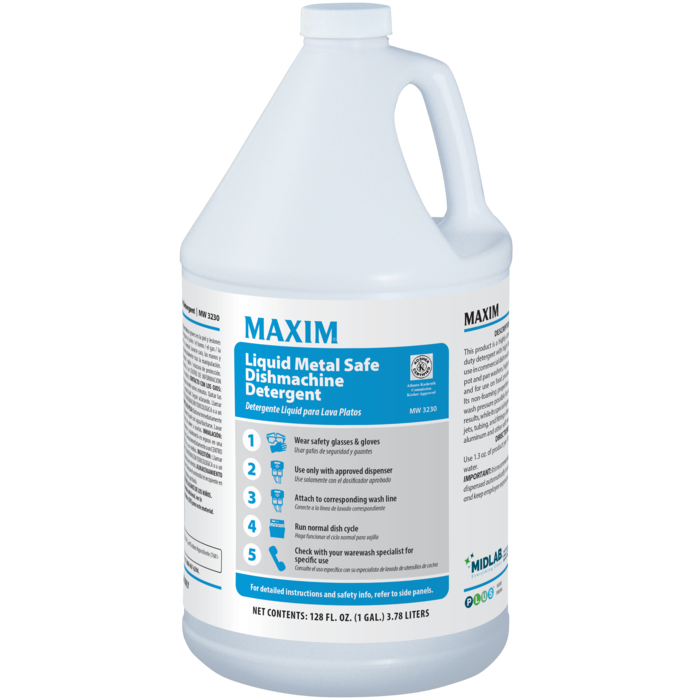
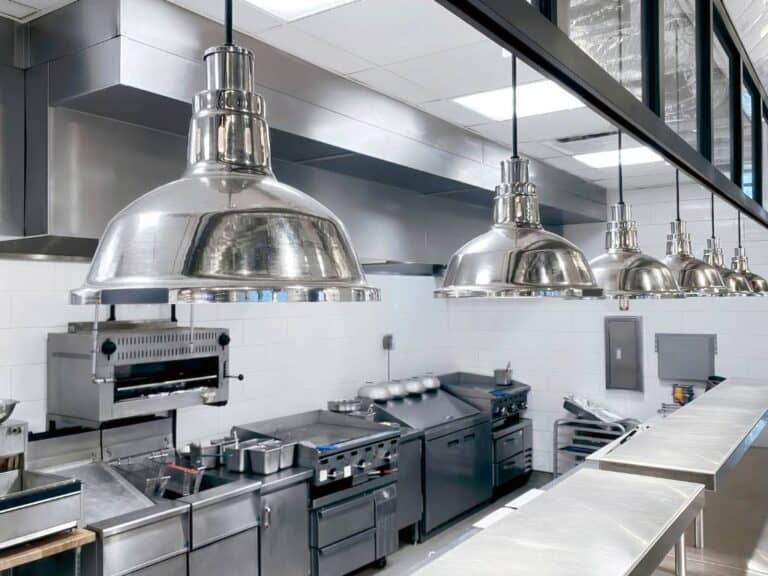
Machine warewash refers to the process of automatically cleaning and sanitizing dishes, glassware, utensils, cookware, trays, and other reusable foodservice items using commercial dishwashing equipment. Unlike manual dishwashing, machine warewash combines specialized detergents, rinse aids, sanitizers, controlled water temperatures, and programmed wash cycles to consistently remove food soils and support hygienic foodservice operations. These programs are commonly used in restaurants, healthcare facilities, schools, hospitality environments, institutional cafeterias, and other commercial kitchens where efficiency, cleanliness, and consistent results are essential.
Commercial machine warewash programs may include high-temperature or low-temperature dishwashing equipment, chemical dispensing systems, water treatment solutions, and rinse additives that work together to optimize cleaning performance. Selecting the appropriate chemistry and maintaining equipment properly helps improve wash quality, reduce spotting and filming, and extend the life of both the machine and the wares being cleaned.
Facilities often evaluate factors such as water hardness, machine capacity, wash cycle requirements, chemical compatibility, and maintenance schedules when implementing a machine warewash program. These considerations help ensure reliable cleaning performance while supporting operational efficiency and food safety standards.
Machine warewash products are typically incorporated into broader kitchen sanitation and facility maintenance programs to provide consistent cleaning results throughout high-volume foodservice operations.
FAQ's
What types of items can be cleaned in a machine warewash system?
Commercial machine warewash systems are designed to clean dishes, glassware, silverware, trays, cookware, serving utensils, food pans, and many other reusable foodservice items used throughout commercial kitchens.
Why does hard water affect machine warewash performance?
Hard water contains minerals that can reduce detergent effectiveness and leave spots, film, or scale buildup on equipment and cleaned wares. Many facilities use water treatment systems to help improve cleaning consistency and protect equipment.
What is the difference between high-temperature and low-temperature machine warewash?
High-temperature machines primarily rely on heated water during the final rinse to sanitize wares, while low-temperature machines typically use EPA-registered sanitizing chemistry during the rinse cycle. Both approaches can be effective when operated according to manufacturer recommendations.
How can facilities improve the efficiency of a machine warewash program?
Routine equipment maintenance, proper chemical dispensing, correct loading techniques, monitoring water quality, and following recommended wash parameters all help improve cleaning consistency, reduce rewashing, and maximize equipment performance.
Related Terms
External Resources
Featured Products
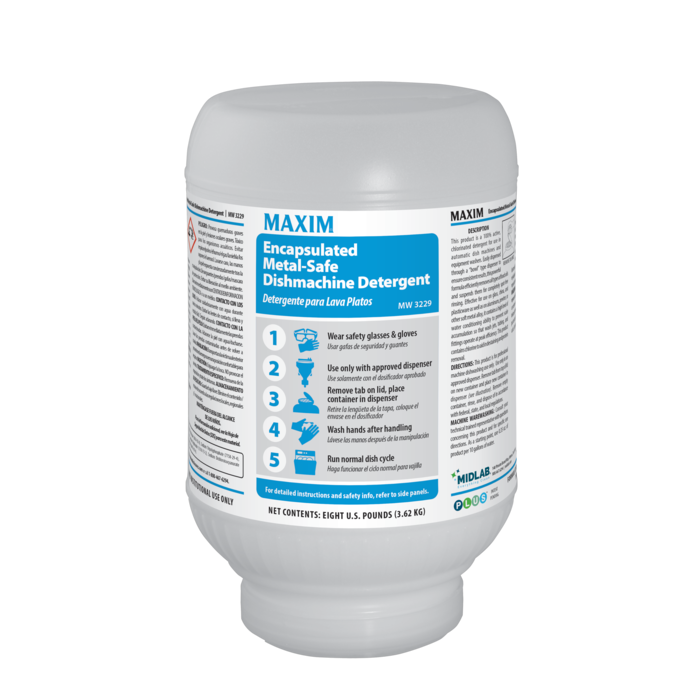
Click on the product below for more info and to see more available products.