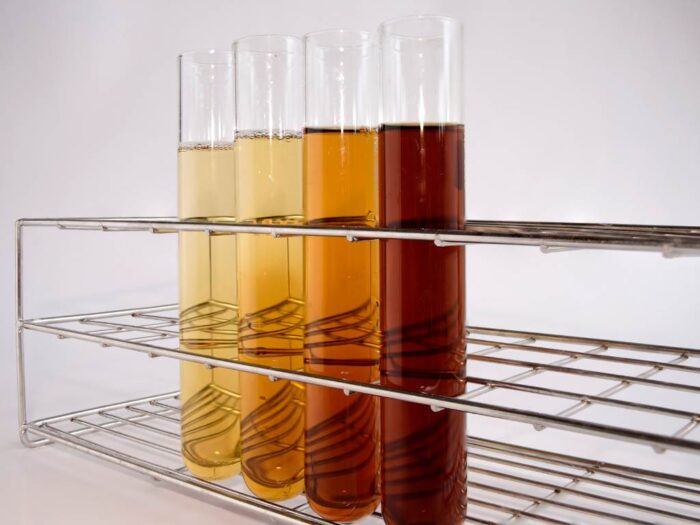
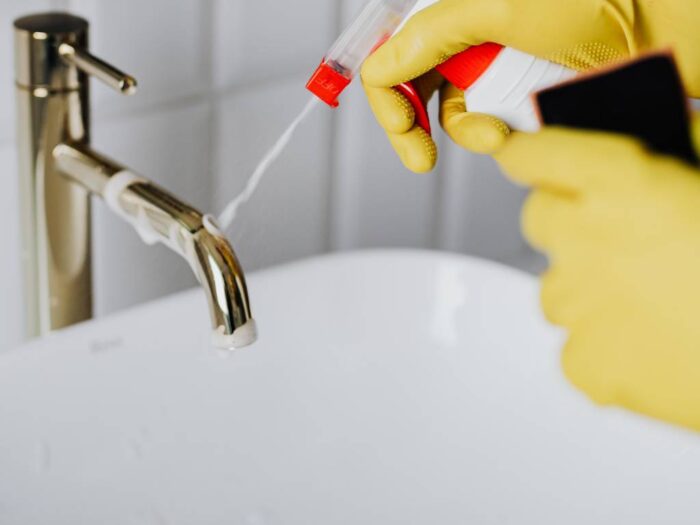
Concentrated cleaning products introduce an important variable into facility maintenance: dilution.
Instead of using a product directly from its original container, employees prepare a usable solution according to manufacturer instructions. An all purpose cleaner concentrate can therefore provide facilities with versatility while making accurate dilution and employee training important parts of the process.
What Makes a Concentrate Different?
A concentrated cleaner is formulated to be diluted according to specified directions before or during use.
This means a container of all purpose cleaner concentrate may produce a larger volume of usable cleaning solution than the original container size alone suggests.
However, the actual dilution rate varies by product and application. Employees should never assume that two concentrated cleaners require the same amount of product.
Why Accurate Dilution Matters
Adding extra concentrate may seem like a way to improve cleaning performance, but employees should follow the manufacturer’s specified dilution.
Using an all purpose cleaner concentrate incorrectly can result in unnecessary chemical consumption and inconsistent procedures between employees.
Too little product can also mean the solution isn’t being prepared as intended.
The goal is repeatability: the same procedure should produce the appropriate solution each time.
Consider a Dispensing Process
Facilities using significant amounts of concentrated chemistry may benefit from standardized dispensing procedures or compatible dilution control systems.
Instead of employees estimating quantities, a defined process can help produce greater consistency across shifts and locations.
An all purpose cleaner concentrate can then become part of a repeatable cleaning system rather than a product mixed differently by every employee.
Storage and Transportation Advantages
Concentrated products can also change how facilities think about chemical inventory.
Because water is added according to product directions, concentrates can allow facilities to store the product differently than equivalent volumes of ready-to-use solution.
This can be particularly relevant for larger operations where storage space and product movement matter.
Facilities researching the broader category can review Midlab’s All Purpose Neutral Cleaner glossary.
Evaluating Real-World Product Options
Different concentrates are designed for different applications.
For example, Midlab lists Maxim Green as an all-purpose cleaner and degreaser concentrate with multiple application options.
The broader Maxim product line includes cleaning chemistry across many commercial and industrial categories.
When evaluating an all purpose cleaner concentrate, facilities should compare intended applications, dilution instructions, packaging, surfaces, and their own cleaning procedures.
Train for Consistency
Concentrates can only support an efficient program when employees understand how to use them.
Training should explain where the product is used, how the solution is prepared, what equipment is involved, and which applications require another chemical.
Managers can reinforce those procedures through written instructions and periodic employee training.
Resources from ISSA can provide additional professional cleaning education to complement product-specific instructions.
An all purpose cleaner concentrate can ultimately provide a flexible option for commercial cleaning programs when product selection, dilution, and procedures are aligned.
Frequently Asked Questions
What is an all purpose cleaner concentrate?
It is a concentrated cleaning formulation intended to be diluted according to its product instructions for applicable cleaning tasks.
Why is dilution important?
Following the specified dilution helps facilities prepare and use concentrated products consistently.
Can employees estimate the amount of concentrate they need?
They should follow the manufacturer’s instructions rather than estimating dilution.
Where can facilities discuss Midlab cleaning products?
Organizations can contact Midlab to discuss products and facility requirements.