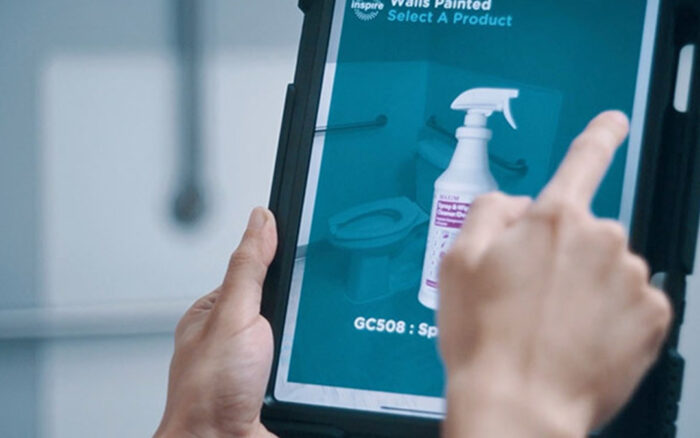
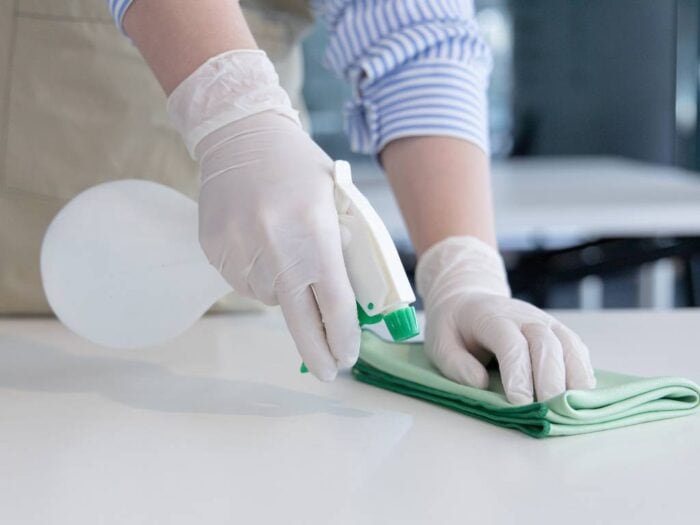
Commercial restroom cleaning is one of the most visible components of facility maintenance.
Employees, customers, students, patients, visitors, and tenants may all use restrooms throughout the day, making these spaces an important part of the overall facility experience.
Maintaining them consistently requires a structured program built around products, procedures, people, and schedules.
Start With a Defined Cleaning Process
A commercial restroom cleaning program should clearly identify the tasks employees are expected to complete.
Typical areas include:
- Toilets
- Urinals
- Sinks
- Faucets
- Counters
- Mirrors
- Partitions
- Dispensers
- Floors
- Trash receptacles
- High-touch surfaces
Defining these tasks creates a baseline that can be followed across different shifts.
Midlab’s guide to restroom cleaner and restroom care provides a broader look at the products and maintenance considerations that can be incorporated into commercial restroom programs.
Standardize Cleaning Products
Product standardization can help simplify commercial restroom cleaning.
Instead of allowing different locations or employees to select products independently, facilities can establish approved products for specific tasks.
Standardization may help support:
- Consistent training
- Simplified inventory
- Clearer procedures
- Easier purchasing
- More predictable workflows
Products should always be selected based on intended use, surface compatibility, and manufacturer directions.
Establish Cleaning Frequencies
Not every commercial restroom requires the same maintenance frequency.
A restroom serving a small office may have very different requirements from one inside a school, hospital, airport, or busy retail facility.
Commercial restroom cleaning schedules should account for:
- Occupancy
- Traffic
- Hours of operation
- Facility type
- Historical cleaning needs
- Peak usage periods
Routine inspections can supplement scheduled cleaning and allow teams to respond when conditions change.
Train Employees Around the Process
Products and checklists are only effective when employees understand how to use them.
Training should address:
- Product selection
- Label instructions
- Dilution when applicable
- Appropriate PPE
- Surface compatibility
- Cleaning sequence
- Equipment use
- Facility procedures
Clear training helps turn commercial restroom cleaning into a repeatable operational process.
Include Quality-Control Inspections
Supervisors or designated team members can periodically inspect restrooms to verify that established standards are being followed.
Inspections can evaluate:
- Overall appearance
- Supply availability
- Visible soils
- Floors
- Fixtures
- Mirrors
- Odor
- High-touch surfaces
These inspections can also identify recurring problems that may require changes to products, procedures, or cleaning frequency.
Plan for Periodic Deep Cleaning
Daily commercial restroom cleaning should be supplemented with more detailed maintenance when needed.
Periodic tasks may include:
- Grout cleaning
- Wall washing
- Partition detailing
- Floor detailing
- Baseboard cleaning
- Hard-to-reach areas
- Buildup removal
The appropriate schedule will vary based on facility conditions and traffic.
Create a Program That Can Scale
Organizations with multiple facilities benefit from establishing a common restroom care framework.
Products, procedures, training materials, and checklists can be standardized while individual locations adjust frequency based on local conditions.
This creates consistency without assuming every restroom operates exactly the same way.
Facility managers can explore Midlab’s complete selection of commercial cleaning products when developing or updating a restroom maintenance program.
For broader professional cleaning education, standards, and industry resources, visit ISSA.
Frequently Asked Questions
What is included in commercial restroom cleaning?
Commercial restroom cleaning typically includes toilets, urinals, sinks, counters, mirrors, partitions, floors, dispensers, trash removal, supply replenishment, and high-touch surfaces.
How often should a commercial restroom be cleaned?
Cleaning frequency should be determined by traffic, facility type, operating hours, restroom conditions, and organizational requirements.
How can facilities improve consistency between cleaning shifts?
Standardized products, documented procedures, checklists, employee training, inspections, and cleaning logs can help create a more consistent process.